
Transparency in casino transactions is a cornerstone of trust between operators and players. In environments where real money is involved, ensuring that every financial interaction is clear, traceable, and reliable is not just a legal requirement but a moral imperative. Players engage in gambling activities expecting fairness, honesty, and consistency. When transparency is embedded in all transactions, it reassures players that they are participating in a system that operates above board, free from manipulation or hidden agendas. This trust is crucial for long-term customer retention and for cultivating a reputation that attracts both casual and high-stakes players.
When casinos maintain clear records of deposits, withdrawals, and wagers, it provides players with a sense of control over their finances. Knowing that their money is handled securely and can be accounted for at any time reduces anxiety and encourages responsible gambling. Transparency mechanisms such as itemized receipts, real-time balance updates, and clear terms for bonuses or promotions help eliminate ambiguity. Without these safeguards, players may suspect foul play, which can lead to disputes, negative reviews, and ultimately, a decline in patronage. The psychological reassurance offered by visible transaction processes cannot be underestimated, as confidence in financial operations directly impacts the overall gaming experience.
Additionally, transparent transactions protect casinos themselves. By keeping meticulous and accessible records, operators can quickly identify discrepancies, prevent fraud, and resolve conflicts efficiently. This operational clarity reduces the risk of financial loss due to errors or deceit, whether accidental or intentional. Advanced software systems track player activity and cash flows in real time, allowing operators to detect anomalies early. These systems not only safeguard the house but also demonstrate to regulators and players that the casino is committed to ethical practices. Compliance with legal standards is simplified, as regulators can easily audit and verify transactions. This creates a culture of accountability where both parties—the casino and the player—benefit from structured, visible processes.
Transparency also plays a key role in regulatory compliance. Gambling jurisdictions impose strict financial reporting requirements to prevent money laundering, underage gambling, and other illicit activities. Casinos that prioritize transparent transaction reporting are better positioned to adhere to these regulations. By maintaining detailed logs and providing accessible documentation, operators demonstrate their commitment to legal and ethical responsibilities. This proactive approach minimizes the risk of sanctions or license revocation and establishes a secure environment for players to enjoy their experience. Beyond legal compliance, these measures foster public confidence in the legitimacy of the casino industry as a whole.
The technological landscape of modern casinos further enhances the capacity for transaction transparency. Digital wallets, blockchain integration, and encrypted payment gateways offer players instant visibility into their financial activity. Each deposit or withdrawal can be tracked, timestamped, and verified without ambiguity. Players are increasingly aware of the security and transparency benefits these tools provide, and they tend to favor platforms that integrate such features. By adopting advanced technological solutions, casinos not only streamline operations but also align with consumer expectations in a digital-first world. This demonstrates a forward-thinking approach that reinforces credibility and professionalism in the eyes of the player.
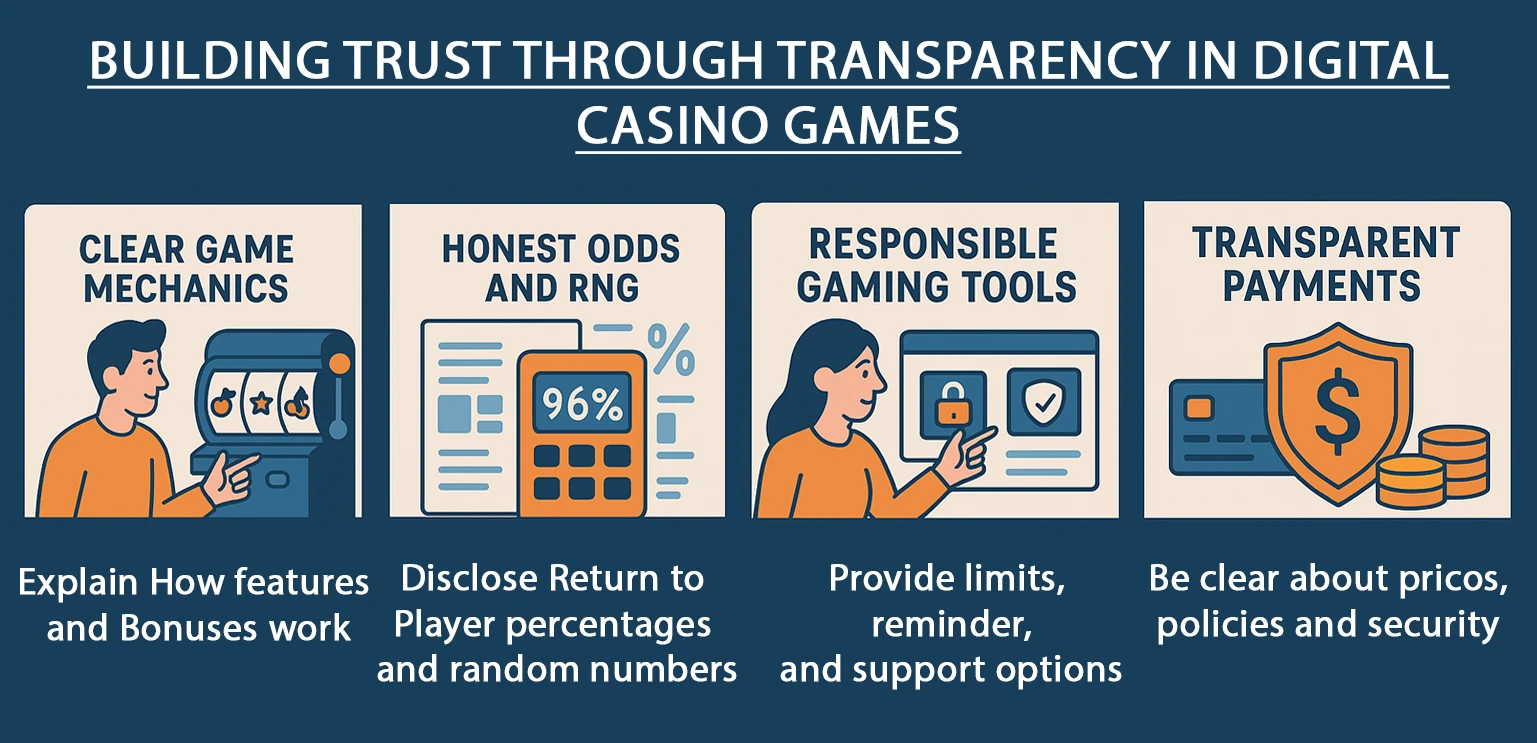
Communication is another critical aspect. Transparency is not solely about accurate record-keeping; it also involves clear communication with players. Detailed explanations of fees, withdrawal timelines, wagering requirements, and promotional conditions prevent misunderstandings that could sour the player experience. Providing accessible FAQs, live support, and visual dashboards ensures that players are never left uncertain about their financial transactions. Open channels of communication reinforce the perception of honesty and fairness, which is vital in an industry where skepticism can be high. Players who feel informed and empowered are more likely to return, recommend the platform, and participate responsibly.
Moreover, transparency influences player behavior. When players know that every bet, win, and loss is recorded accurately, they are more likely to engage in responsible gambling practices. Transparent systems allow players to monitor spending habits, set limits, and track progress over time. This not only reduces the potential for compulsive gambling but also promotes a healthier relationship with risk. Casinos that offer tools for financial oversight demonstrate a commitment to player welfare, which strengthens loyalty and enhances the reputation of the establishment. Ethical responsibility and business success are intertwined in this context, as transparency supports both objectives simultaneously.
Reputation management in the digital age is heavily influenced by transaction transparency. Players share experiences, reviews, and feedback online, and any perception of opacity or unfairness can spread rapidly. Maintaining transparent financial practices protects the casino’s brand image and differentiates it from competitors who may neglect these principles. A strong reputation for fairness attracts new players, reassures existing patrons, and builds a sense of community around the casino. It signals that the operator values integrity, which is a persuasive factor for discerning players who seek trustworthy gaming environments.
In summary, transaction transparency in casinos is a multifaceted strategy that serves players, operators, and regulators alike. It builds trust, enhances player confidence, ensures compliance, reduces operational risk, and strengthens brand reputation. By integrating transparent practices into every aspect of financial interaction—from deposits and withdrawals to reporting and communication—casinos create an ecosystem of fairness and reliability. Players feel secure, operators maintain control and accountability, and the industry as a whole gains legitimacy. Transparency is not merely an operational choice; it is a foundational element of sustainable and ethical casino management, essential for fostering enduring relationships with players and for sustaining long-term success in a competitive market.


Leave a Reply