Responsiveness in slot games is more than just a technical feature; it is a critical factor that shapes a player’s overall experience and perception of fairness, engagement, and satisfaction. At its core, responsiveness refers to how quickly and smoothly a game reacts to player input, whether it is spinning the reels, triggering bonus rounds, or adjusting settings. When a slot responds instantly and accurately, players feel in control and confident that the game operates fairly. On the other hand, delays, lag, or glitches can create frustration, reduce immersion, and even lead to the perception that the platform is unreliable or untrustworthy.
The importance of responsiveness begins with the fundamental interaction between player and game. In an era where instant gratification is the norm, delays in feedback can disrupt the psychological flow of play. Players often make split-second decisions, and a delay in response breaks that connection, leading to irritation and disengagement. A responsive slot game ensures that the user’s actions are mirrored in real time, preserving the sense of agency that is crucial for engagement. Even minor delays of a fraction of a second can accumulate over multiple spins, subtly affecting the perception of smoothness and professionalism.
Technical optimization is therefore a cornerstone of good game design. Developers invest significant effort into ensuring that animations, reel spins, and bonus triggers run at a high frame rate, with minimal input lag. This involves efficient coding practices, optimized graphics rendering, and server infrastructure capable of handling large numbers of concurrent users. When these elements are executed well, the result is a seamless experience where the player can focus on the excitement of the game rather than the mechanics behind it.
Beyond technical performance, responsiveness also affects the perception of fairness. When a slot reacts instantly to user input, players are more likely to trust that the results are generated accurately and that no external delays are influencing outcomes. Conversely, if a game hesitates or freezes, even briefly, it can trigger suspicion about tampering or errors. This is especially important in online environments, where physical interaction is absent and all feedback comes digitally. The immediacy of the game’s responses becomes a proxy for reliability, reinforcing confidence in the platform.
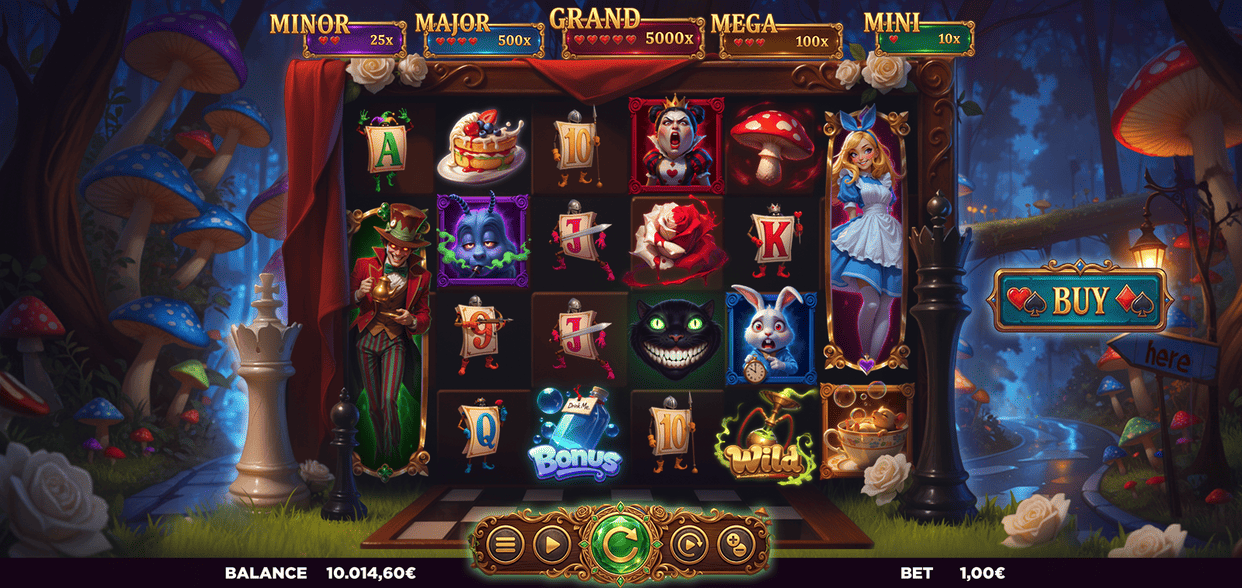
Player engagement is closely linked to cognitive and emotional responses. A responsive game provides immediate sensory feedback, which in turn reinforces learning, anticipation, and excitement. For example, the visual and auditory cues of spinning reels, flashing symbols, and celebratory sounds must coincide precisely with player actions. Misaligned or delayed cues can create a disconnect, reducing the thrill and making the experience feel artificial. Immediate feedback ensures that wins feel rewarding, losses feel fair, and gameplay flows naturally from one spin to the next.
The social aspect of slot play, particularly in multiplayer or community-oriented platforms, also depends on responsiveness. In tournaments or shared events, even a small delay can impact fairness and competitiveness. A responsive system ensures that all participants experience the game in real time, preserving equity and enhancing the enjoyment of shared play. Moreover, the responsiveness of chat features, leaderboards, and other interactive components contributes to a cohesive experience where players feel connected and informed.
Mobile and cross-platform play further highlight the significance of responsiveness. Modern players expect to access slots seamlessly across devices, whether on smartphones, tablets, or desktops. Achieving consistent responsiveness across these platforms requires careful optimization, including adaptive graphics, efficient network handling, and consideration of device-specific limitations. When responsiveness is maintained across platforms, players experience the same level of engagement regardless of their device, reinforcing brand loyalty and satisfaction.
User interface design also interacts closely with responsiveness. Buttons, menus, and controls must provide immediate visual and tactile feedback. Animations that lag or buttons that fail to register touches not only frustrate players but also undermine the credibility of the game. Designers often employ subtle cues, such as highlighting active buttons or providing immediate auditory feedback, to signal that an input has been recognized. These elements contribute to an intuitive and satisfying user experience, enhancing both accessibility and enjoyment.
Moreover, responsiveness affects psychological pacing. Slot games rely on carefully designed rhythms, including spin speed, animation timing, and bonus sequences. When these rhythms are disrupted by slow response times, the pacing feels awkward, and the immersive quality of the game suffers. A responsive system ensures that each spin, win, and bonus unfolds at the intended tempo, sustaining engagement and emotional intensity. Players can become fully absorbed in the gameplay, experiencing anticipation, excitement, and reward without distraction or frustration.
From a business perspective, responsiveness directly influences retention and revenue. Players are more likely to continue engaging with a game that feels smooth, fair, and immersive. Frustration caused by lag or delayed responses can lead to abandonment, negative reviews, or reduced willingness to spend. Consequently, operators prioritize responsiveness as a key performance metric, balancing technical demands with user satisfaction. High responsiveness not only improves individual sessions but also fosters long-term loyalty, encouraging repeat visits and ongoing engagement.
Accessibility is another dimension enhanced by responsiveness. Players with varying levels of skill, reaction time, or familiarity with digital interfaces benefit from games that respond predictably and consistently. Immediate feedback reduces cognitive load, helping users understand outcomes and make informed decisions. For players with disabilities, responsive design can accommodate adaptive technologies, ensuring that input is accurately recognized and feedback is effectively communicated. By addressing diverse needs, responsiveness promotes inclusivity and broadens the player base.
Finally, responsiveness contributes to the overall emotional resonance of slot games. Gaming is not solely about mechanics; it is about the feelings evoked through anticipation, surprise, and reward. When the system responds instantly and smoothly, these emotional triggers are amplified. Wins feel exhilarating, near-misses feel tantalizing, and gameplay feels dynamic and alive. By minimizing delays and ensuring seamless interaction, developers create an environment where players can fully experience the emotional highs and lows intended by the game design.
In conclusion, responsiveness in slot games is a multifaceted element that shapes player experience in profound ways. It influences perception of fairness, engagement, emotional satisfaction, social interaction, pacing, accessibility, and retention. Technical optimization, intuitive interface design, and cross-platform consistency all contribute to achieving high responsiveness. When executed effectively, responsiveness ensures that players feel in control, trust the platform, and remain fully immersed in the game. It transforms the mechanics of spinning reels into a seamless, emotionally engaging experience, highlighting the importance of responsiveness as a central pillar of quality slot game design.
Responsiveness is not a mere feature; it is the bridge between technology and player perception, turning digital interaction into a compelling, immersive, and satisfying journey. It is the subtle yet powerful factor that can determine whether a slot game is merely functional or truly captivating, leaving players eager to return and engage again.