
Human behavior is often influenced by the actions and opinions of those around them, a phenomenon broadly referred to as crowd bias. Crowd bias, sometimes also called herding behavior, occurs when individuals mimic the behavior of a larger group rather than making independent, informed decisions. While following the crowd can provide social reassurance or reduce decision-making effort, it often leads to inefficiency across various domains, including financial markets, organizational dynamics, and social systems. Understanding how crowd bias creates inefficiency is crucial for mitigating its negative effects and fostering more rational decision-making processes.
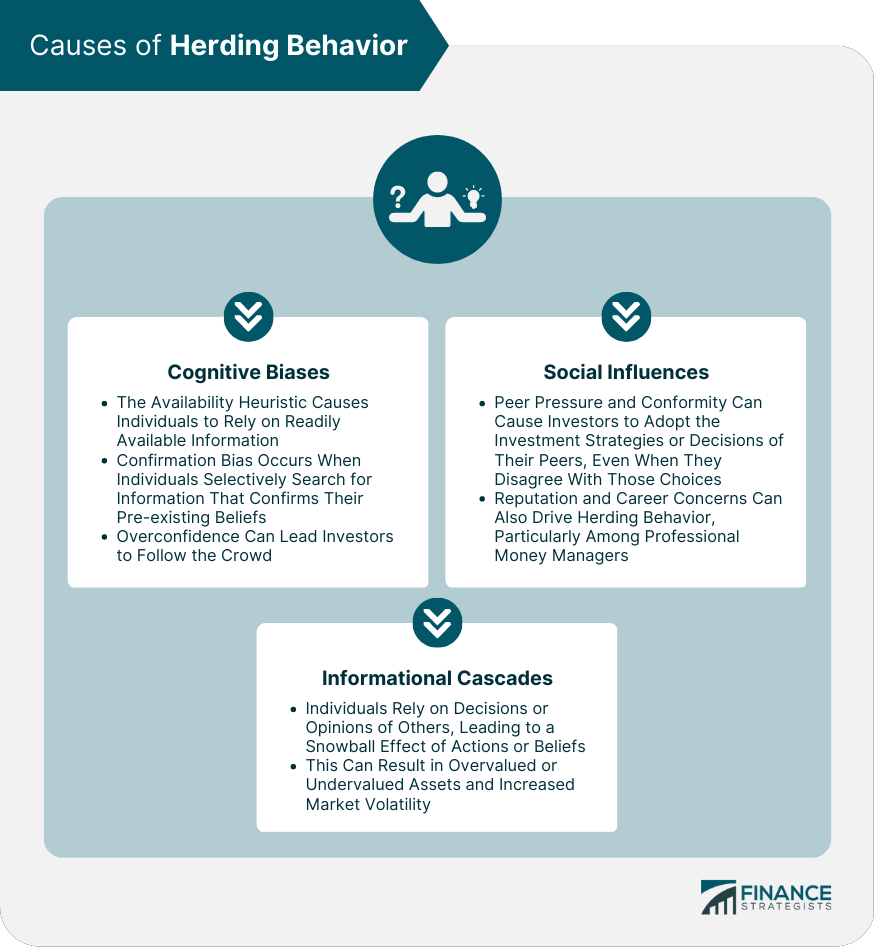
One of the most evident areas where crowd bias manifests is in financial markets. Investors frequently rely on the actions of others to guide their own investment decisions. When a significant number of investors start buying a particular stock or asset, others often follow, not because of the intrinsic value of the asset, but simply because the behavior of the group signals perceived opportunity. This herding behavior can inflate asset prices, creating bubbles. The inefficiency emerges when these inflated prices do not accurately reflect underlying economic realities. Once the bubble bursts, the market experiences abrupt corrections, leading to financial loss for many participants. By contrast, when investors make decisions based on careful analysis rather than crowd behavior, market resources are allocated more efficiently, and the risk of sudden disruptions diminishes.
Crowd bias also affects organizational efficiency. In corporate environments, employees often align their opinions and actions with prevailing group sentiment rather than expressing independent judgments. Meetings, project evaluations, and strategic decisions can be swayed by dominant voices, causing groupthink. Groupthink suppresses dissenting perspectives and critical analysis, leading to decisions that may appear consensual but are suboptimal. For instance, a team might continue a failing project simply because everyone wants to maintain harmony or avoid challenging authority. The inefficiency arises from resources being allocated to initiatives that do not yield the best outcomes, while alternative, potentially more effective strategies are ignored.
Another dimension where crowd bias contributes to inefficiency is in consumer behavior. Marketing research and social proof exploit crowd bias by highlighting the popularity of products or services. While this can boost sales, it often encourages overconsumption or suboptimal purchasing decisions. Consumers may choose products based on perceived popularity rather than personal need or product quality. This misalignment between consumer choice and actual preference can lead to wasted resources, unsold inventory, or dissatisfaction. Economically, the allocation of production resources becomes skewed, as businesses respond to demand signals driven more by perception than genuine preference.
Crowd bias also influences public policy and social systems. Citizens often adopt prevailing opinions or social norms without critically evaluating policies or political positions. This can lead to inefficiencies in governance, as policies that might be effective or evidence-based are overlooked in favor of those that enjoy popular support. Political decision-making influenced by crowd bias can result in the misallocation of public funds, poorly designed regulations, or unsustainable social programs. Moreover, crowd-driven movements may experience rapid surges of attention followed by equally sudden disengagement, creating volatile cycles that prevent sustained progress.
Technology and social media have magnified the impact of crowd bias. Online platforms amplify trends, opinions, and behaviors, often making them appear more widespread or legitimate than they are. Algorithms prioritize content that generates engagement, frequently promoting material that aligns with popular sentiment. This can reinforce herding behavior, leading individuals to adopt perspectives or behaviors without thorough evaluation. In business, this may result in product development cycles driven by viral trends rather than strategic planning. In social discourse, it can create echo chambers where inefficiencies arise from misinformed decision-making or collective actions that do not serve the broader community interest.
Behavioral economics provides a framework to understand why crowd bias persists despite its inefficiencies. Humans are social creatures who value conformity, fear regret, and often lack perfect information. The decision to follow the crowd reduces cognitive effort and provides psychological comfort. However, these benefits come at a cost. When decisions are based on imitation rather than analysis, errors are propagated throughout the group. These compounded errors result in systemic inefficiencies, whether in markets, organizations, or social systems. Recognizing this pattern allows individuals and institutions to implement mechanisms to counteract crowd bias, such as structured decision-making processes, independent auditing, or incentivizing diverse perspectives.
Mitigation strategies are essential to reduce the inefficiency caused by crowd bias. In financial contexts, promoting transparency and educating investors about herd behavior can prevent bubble formation. Within organizations, encouraging a culture of open dialogue, critical thinking, and dissenting opinions can counteract groupthink. In consumer markets, providing clear product information and emphasizing individual preferences over popularity can lead to more efficient allocation of resources. For policymakers, fostering deliberative processes and evidence-based decision-making reduces reliance on public opinion swings. Technology platforms can also contribute by designing algorithms that highlight diverse viewpoints rather than reinforcing popularity alone.
Crowd bias is not inherently negative; it has evolved as a social mechanism to facilitate coordination, shared learning, and rapid responses to changing environments. In situations where information is scarce or risk is high, following the crowd can be rational and adaptive. However, in modern complex systems where independent assessment is feasible and information is accessible, blind adherence to crowd behavior introduces inefficiencies. Recognizing the dual nature of crowd bias—its adaptive function and its potential for inefficiency—is vital for designing systems that leverage collective behavior without falling prey to its pitfalls.
Ultimately, the inefficiency created by crowd bias underscores the importance of balancing social influence with individual analysis. Systems that incorporate checks and balances, encourage diversity of thought, and promote critical evaluation can reduce the negative consequences of herding. Whether in markets, organizations, consumer behavior, or public policy, understanding the dynamics of crowd bias allows for more rational resource allocation, better decision-making, and a higher overall efficiency. While humans will likely always be influenced by the behavior of others, cultivating awareness of crowd bias and implementing deliberate strategies to counteract its adverse effects can transform potentially inefficient collective behavior into more informed, effective, and resilient outcomes.


Leave a Reply