
Live interaction has transformed the way we communicate, offering immediacy, intimacy, and a dynamic sense of presence that pre-recorded content or asynchronous communication simply cannot replicate. The seamlessness of live interaction is rooted in several psychological, technological, and social factors, which combine to make the experience feel fluid and natural. At its core, live interaction simulates real-world communication, bridging the gap between physical and virtual spaces, enabling participants to exchange ideas, emotions, and reactions in real time. This immediacy fosters engagement and connection, creating an environment where the flow of conversation feels effortless and authentic.
One of the key elements contributing to the seamless feel of live interaction is the element of reciprocity. When two or more participants communicate in real time, each action, response, and gesture informs the next. The human brain is wired to detect and respond to cues, both verbal and nonverbal, adjusting tone, pacing, and content based on immediate feedback. In a live setting, whether through video, audio, or text-based chat, these micro-adjustments create a natural rhythm, similar to face-to-face conversation. Participants feel heard and understood, which reduces cognitive friction and makes the interaction feel smooth.
Another critical factor is the reduction of latency. Technological advancements have minimized the delay between sending and receiving messages, whether through high-speed internet, optimized video conferencing software, or low-latency audio streaming. When lag is imperceptible, interactions feel continuous, and participants experience a sense of presence that mimics physical proximity. Even slight delays can disrupt the flow, making conversations feel disjointed or awkward. The seamless nature of live interaction is therefore as much a technical achievement as it is a social one, relying on robust systems to deliver real-time responses without perceptible interruption.
Visual and auditory cues also play a substantial role. In video-based live interactions, facial expressions, gestures, and eye contact convey context and emotional tone that text alone cannot provide. These cues help participants interpret meaning accurately and respond appropriately, reinforcing the perception of a fluid conversation. Similarly, in audio-only interactions, variations in pitch, tempo, and inflection communicate emotion, urgency, and emphasis, guiding responses and maintaining engagement. When these cues are transmitted clearly, the interaction feels more authentic, creating a psychological bridge between participants.
Live interaction also benefits from the unpredictability inherent in real-time communication. Unlike pre-recorded messages or automated responses, live exchanges introduce a dynamic element where participants must think on their feet, respond to unforeseen questions, or adapt to new information instantly. This spontaneity keeps attention high and promotes active participation. The brain responds positively to these real-time challenges, engaging more fully and perceiving the interaction as more meaningful and cohesive. The sense that conversation is unfolding naturally, rather than being scripted or curated, reinforces the feeling of seamlessness.
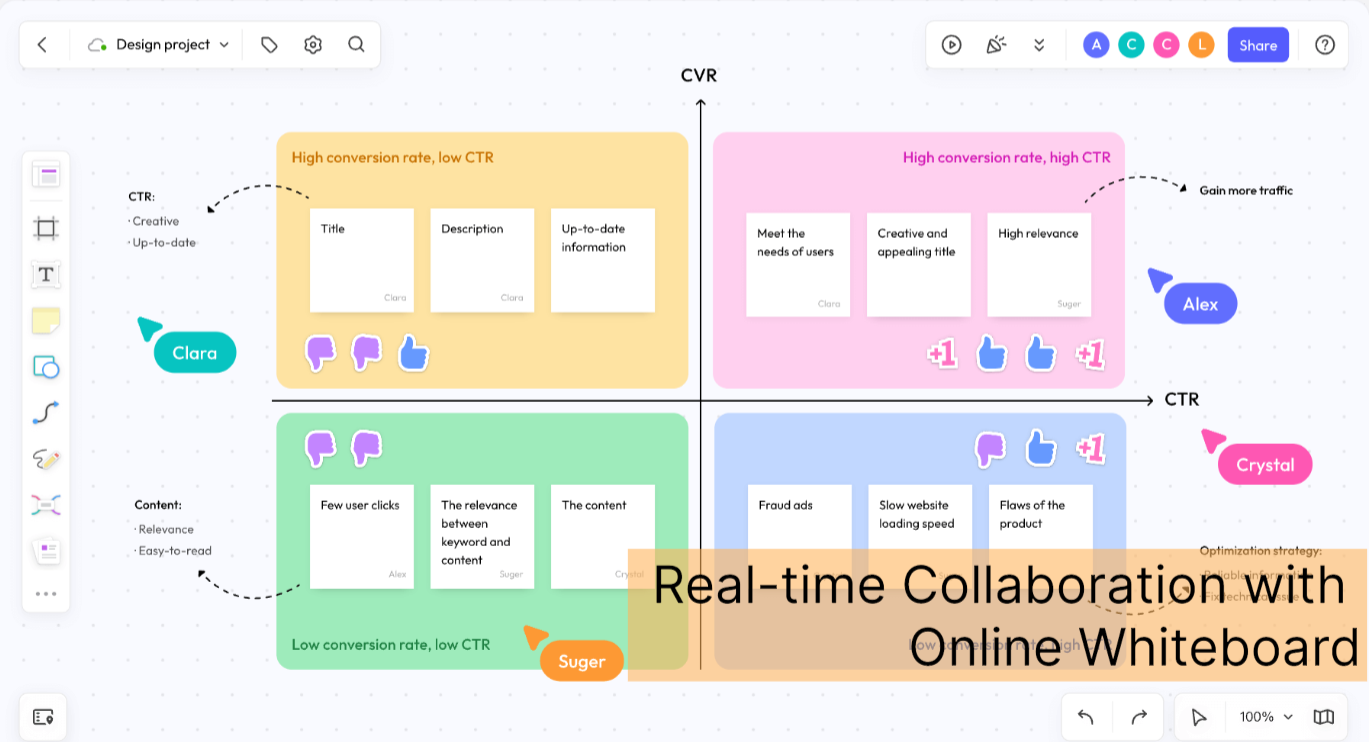
The design of the interaction platform itself contributes significantly to this seamless experience. User-friendly interfaces, intuitive controls, and clear visual feedback reduce friction, allowing participants to focus on the conversation rather than navigating the system. Features such as instant reaction buttons, live polls, or real-time editing tools can enhance responsiveness and involvement. When technical barriers are minimized, users can devote their cognitive resources to interaction, rather than worrying about functionality or performance issues.
Contextual awareness is another subtle yet powerful component. Live interaction allows participants to reference shared experiences, ongoing events, or previous statements with immediacy. This contextual linkage strengthens continuity, making responses more relevant and conversation more coherent. When participants can seamlessly weave past interactions into present dialogue, it reinforces the sense of flow and reduces cognitive effort, further enhancing the perception of a natural, uninterrupted conversation.
Emotional resonance also enhances the seamless quality of live communication. The ability to express and perceive emotions in real time – whether through laughter, tone, or body language – fosters empathy and trust. When participants sense genuine reactions and authentic responses, it strengthens social bonds and creates a shared sense of presence. This emotional dimension is critical to maintaining engagement and sustaining the fluidity of interaction over time.
Collaboration and shared focus amplify the seamless experience. In live sessions, whether in professional meetings, educational settings, or social gatherings, participants work toward a common goal or shared understanding. Real-time exchange allows ideas to be built upon immediately, reducing misunderstandings and the need for repetitive clarification. This collaborative momentum creates a sense of rhythm and continuity, making the interaction feel effortless and integrated.
Finally, the perception of control enhances comfort during live interactions. Participants who can manage their audio, video, or chat presence feel more secure and capable of contributing effectively. Control over these elements allows users to engage at their own pace and according to their preferred communication style, reducing anxiety and promoting a relaxed, responsive flow. When individuals feel empowered to participate without friction or hesitation, the interaction naturally appears more seamless.
In sum, the seamlessness of live interaction emerges from a confluence of psychological, technological, and social factors. Real-time feedback, minimal latency, rich sensory cues, spontaneous adaptability, intuitive platform design, contextual awareness, emotional resonance, collaborative momentum, and a sense of personal control all combine to create an experience that mirrors the fluidity of in-person communication. This intricate interplay makes live interaction not only efficient but profoundly engaging, enabling participants to connect, respond, and collaborate in ways that feel natural, intuitive, and uninterrupted. The result is a dynamic space where communication flows freely, fostering engagement, understanding, and a shared sense of presence that static or delayed forms of interaction cannot replicate.






Leave a Reply