
In the world of digital slot games, the experience of a player is shaped not only by mechanics and payouts but significantly by the atmosphere and narrative conveyed through the game’s theme. Slot theme consistency is a crucial element that directly influences immersion, engagement, and the overall satisfaction of the player. When every component of a slot game—visuals, audio, symbols, and even user interface design—aligns with a coherent theme, it creates a seamless environment where players feel fully absorbed. This alignment strengthens the connection between the player and the game world, transforming what could be a mechanical experience into an emotional journey. A consistent theme acts as a guiding thread, helping players navigate the game intuitively while deepening their emotional engagement.
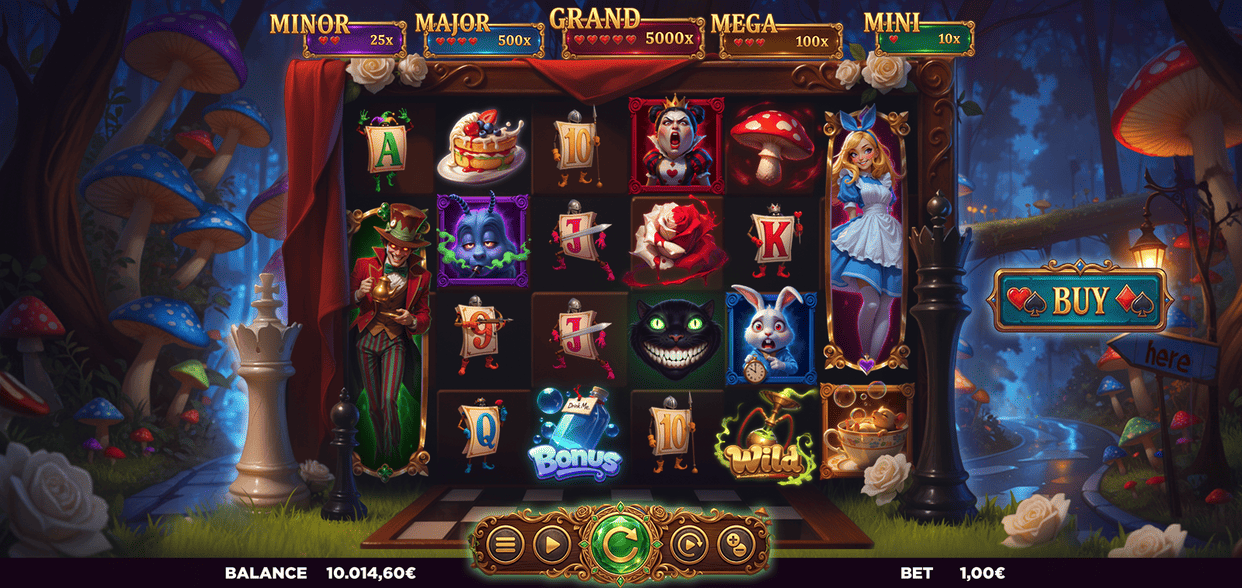
A slot game that commits to its theme effectively uses visual storytelling. Graphics, animations, and backgrounds are not merely decorative; they work together to establish a specific setting or narrative. For example, a slot themed around ancient Egypt often incorporates iconic symbols such as pyramids, pharaohs, scarabs, and hieroglyphs. The color palette, font choices, and even the layout can evoke the atmosphere of historical mystery. When these elements are harmonized, players experience a sense of continuity, making it easier for them to suspend disbelief and engage fully with the game. Any inconsistency, such as including symbols that contradict the theme, risks breaking immersion, which can lead to disengagement.
Sound design is another critical aspect that reinforces theme consistency. Background music, sound effects for spins, wins, and special features should all reflect the thematic setting. A pirate-themed slot might feature sea shanties, creaking ship sounds, and cannon blasts, creating an auditory environment that complements the visual narrative. When sound and visuals are congruent, players are subconsciously drawn deeper into the game, experiencing an enhanced sense of presence. Conversely, a mismatch between audio and visual elements can feel jarring, reminding the player of the artificiality of the experience and pulling them out of immersion.
Symbols and iconography play a pivotal role in maintaining thematic consistency. Each symbol should have a clear relationship to the chosen theme, supporting the story or concept the game is portraying. Special symbols, such as wilds or scatters, can be designed to resemble thematic artifacts or characters, reinforcing the narrative. For instance, in a slot game based on a mystical forest, scatter symbols might take the form of enchanted crystals, while wilds could be mythical creatures native to the setting. This consistency extends beyond mere aesthetics—it can also influence player expectations and strategies. When the thematic elements are clear and coherent, players can more easily anticipate special features, creating a satisfying rhythm and reinforcing engagement.
Theme consistency extends to bonus rounds and interactive features. A well-designed slot ensures that any secondary gameplay aligns with the overarching narrative. A space-themed slot might have bonus games that simulate asteroid mining or spaceship battles, rather than unrelated minigames that disrupt the thematic flow. This approach ensures that every interaction within the game contributes to the overall sense of immersion, keeping the player engaged in a unified experience. The more aligned the bonus features are with the core theme, the more players perceive the game as a cohesive universe rather than a series of disconnected mechanics.
Even user interface elements, such as buttons, menus, and paytables, contribute to thematic immersion. UI elements that match the style and mood of the game prevent cognitive dissonance and allow players to navigate intuitively. For instance, a steampunk-themed slot might use metallic textures, gear motifs, and industrial-style typography, ensuring that every aspect of the interface feels part of the world. By integrating the theme into every touchpoint, players are encouraged to remain fully engaged, enjoying a fluid and uninterrupted experience.
Consistency in theme also fosters emotional resonance. Players are more likely to form a positive attachment to a slot game when its world feels complete and believable. Thematic coherence can trigger nostalgia, excitement, curiosity, or wonder, depending on the chosen narrative. Players may feel like explorers, adventurers, or treasure hunters, and this emotional engagement heightens satisfaction. By contrast, games with inconsistent themes can create confusion or diminish enjoyment, as players struggle to reconcile mismatched elements, which may lead to premature disengagement.
Moreover, consistent themes support brand recognition and player loyalty. Developers who masterfully create immersive thematic experiences are more likely to retain players, as the game becomes memorable and distinctive. Players begin to associate specific visual and auditory cues with the emotions they experienced while playing, strengthening the appeal of returning to the game. Over time, this can cultivate a loyal player base who not only enjoys the mechanical gameplay but also anticipates the rich, immersive worlds crafted around consistent themes.
In essence, slot theme consistency is much more than an aesthetic consideration; it is a foundational principle that enhances immersion, engagement, and player satisfaction. By aligning visuals, sound, symbols, bonus features, and interface elements, developers create a seamless experience that draws players into the narrative. A coherent theme transforms a simple game of chance into an experiential journey, where players are emotionally invested, mentally absorbed, and motivated to explore further. Every design choice that reinforces thematic unity contributes to this sense of immersion, making the game world feel alive, intuitive, and compelling. When the theme is consistently realized across all dimensions, players enjoy an experience that feels thoughtfully designed and richly engaging, creating a memorable encounter that extends far beyond the mechanics of spinning reels.
Ultimately, the power of theme consistency lies in its ability to harmonize every aspect of the game into a single, immersive environment. By attending to details across graphics, sound, symbols, interactions, and interface design, slot developers can craft experiences that captivate and hold players’ attention. This careful orchestration ensures that players are not merely participating in a series of spins but are journeying through a carefully curated world. The resulting immersion strengthens enjoyment, fosters emotional connection, and encourages long-term engagement, proving that thematic coherence is one of the most potent tools in game design for building truly captivating slot experiences.
Immersive gameplay is achieved when every element of a slot aligns with its theme, creating a seamless experience that resonates with players on multiple levels. By prioritizing theme consistency, developers can elevate their games from functional entertainment to fully realized worlds, where players lose themselves in the narrative and find pleasure not just in winning, but in the richness of the experience itself.
This holistic approach to theme consistency ensures that slot games offer more than fleeting moments of excitement—they deliver lasting, memorable, and deeply engaging experiences that players return to time and time again.







Leave a Reply